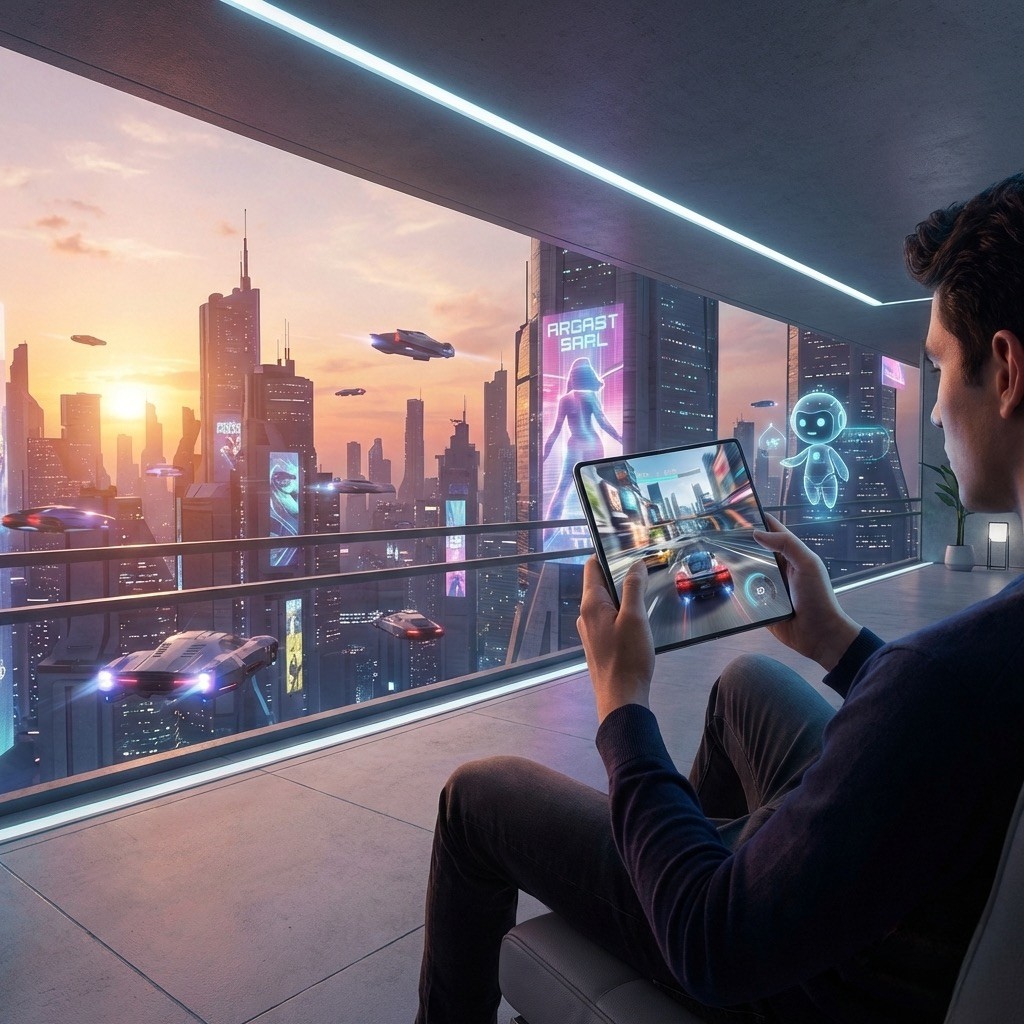
The mobile gaming industry has witnessed a massive transformation over the last decade, becoming one of the most lucrative sectors in the gaming world. With advances in mobile technology, player expectations, and game development tools, mobile games have evolved from simple puzzles to immersive experiences. As we approach 2026, it’s clear that the future of mobile gaming is full of innovation and exciting possibilities. Let’s dive into the mobile gaming trends that are set to shape the industry in the coming years and why game developers should stay ahead of the curve.
1. Cloud Gaming: The Era of Seamless Play
Cloud gaming is rapidly gaining momentum, and by 2026, it’s expected to become a mainstream feature for mobile gamers. With services like Google Stadia, NVIDIA GeForce Now, and Xbox Cloud Gaming, players will no longer be limited by the hardware of their smartphones. These platforms allow gamers to play high-end, graphically demanding games without needing a high-performance device.
For mobile game developers, this means a shift towards developing games that work seamlessly across devices and platforms. GameYogi is already leveraging cloud gaming technology to create scalable, cross-platform games, allowing users to enjoy the same experience regardless of their device’s specifications.
Why Cloud Gaming Matters:
- Accessibility: No need for expensive devices, enabling more people to play high-end games.
- Cross-Platform Play: Cloud gaming opens up the possibility of playing with friends across various platforms, boosting multiplayer engagement.
- Reduced Load Times: Games can stream directly from the cloud, eliminating the long download and install times associated with traditional gaming.
By 2026, cloud gaming could be the standard for mobile gaming, and players will expect flawless transitions between devices, a trend every game developer must adapt to.
2. 5G Connectivity: The Game-Changer for Mobile Gaming
With 5G networks becoming more widespread, the mobile gaming experience will be drastically transformed. Enhanced connectivity will provide significantly faster download speeds, ultra-low latency, and seamless multiplayer gaming. Players will experience near-zero lag during live matches and improved streaming quality for mobile games.
For developers, optimizing games for 5G technology will be essential in 2026. The ability to create multiplayer games with real-time interactions, high-quality visuals, and low-latency experiences will set the best games apart from the rest. GameYogi, known for its mobile game development expertise, is already preparing its game portfolio for 5G to ensure top-tier performance for users across the globe.
5G Benefits for Mobile Gaming:
- Ultra-Low Latency: Gamers will experience near-instantaneous response times, crucial for competitive multiplayer games.
- Better Game Streaming: With 5G, live streaming of games from devices becomes smoother, making it ideal for esports and game streaming platforms.
- Enhanced Online Experiences: Multiplayer games, live updates, and cloud-based game content can be more interactive, even during heavy traffic.
3. Augmented Reality (AR) and Virtual Reality (VR): Immersing Players Like Never Before
The integration of Augmented Reality (AR) and Virtual Reality (VR) is already transforming mobile gaming, and by 2026, we expect to see even more immersive, interactive experiences. AR games like Pokémon Go have already proven the potential of blending the physical world with the digital realm, and developers are increasingly exploring this space.
With VR, mobile devices are expected to become more powerful, making it easier for players to experience VR games without the need for specialized hardware. Upcoming smartphones, equipped with AR/VR capabilities, will open up new possibilities for games, such as live interactive events, location-based gaming, and virtual hangouts.
How AR/VR Will Impact Mobile Gaming in 2026:
- Immersive Worlds: AR/VR allows players to engage in 360-degree environments, offering unparalleled immersion.
- Interactive Social Gaming: Players can connect with friends in a virtual world, enhancing the social aspect of mobile games.
- New Gameplay Mechanics: Developers can create innovative game mechanics based on real-world interaction and location-based events.
As a company at the forefront of mobile game development, GameYogi is exploring ways to integrate these technologies into its upcoming titles, creating fully immersive gaming environments.
4. Artificial Intelligence (AI) and Machine Learning: Smarter Games
By 2026, AI and machine learning will play a significant role in enhancing gameplay experiences. AI will not only improve NPC behavior and game difficulty but also help tailor game experiences based on player behavior. Whether it’s creating dynamic storylines or enhancing game graphics in real-time, AI will be central to mobile game development.
Moreover, machine learning algorithms will allow developers to personalize gaming experiences for individual players, adjusting challenges, difficulty, and even in-game purchases to maximize user engagement.
AI & Machine Learning Benefits for Mobile Games:
- Personalized Gaming: AI will adapt the game to the player’s style, providing a more tailored experience.
- Smarter NPCs: Non-player characters will become more intelligent, offering more realistic interactions and challenges.
- Automated Content Creation: AI will assist in the procedural generation of game content, reducing development time.
5. Blockchain and NFTs: Revolutionizing Game Ownership
While blockchain technology is still in its infancy in the gaming industry, by 2026, we could see widespread adoption of NFTs (Non-Fungible Tokens) and cryptocurrency in mobile games. NFTs will allow players to own unique in-game items that can be traded across games or even sold for real-world value. This will empower players by giving them more control over the in-game economy.
For game developers, integrating blockchain could create new revenue streams through the sale of digital assets, skins, and collectibles. However, it will also introduce challenges in terms of regulation and user education. At GameYogi, we are already exploring the future of NFTs and how they can be integrated into our games in a sustainable and player-friendly way.
Blockchain & NFTs in Mobile Games by 2026:
- True Ownership: Players can truly own in-game assets and trade or sell them.
- Play-to-Earn (P2E) Models: Players can earn cryptocurrency or NFTs through gameplay, providing additional incentives to play.
- Cross-Game Interoperability: NFTs allow assets to be used across different games, making them more valuable.
6. Increased Focus on Sustainability in Gaming
As environmental concerns continue to rise, the gaming industry, including mobile game developers, is expected to put more effort into sustainability. This includes reducing the carbon footprint of games, making mobile gaming devices more energy-efficient, and using sustainable materials for game merchandise.
The demand for eco-friendly games will push developers to create greener games, possibly integrating sustainability themes into game narratives. GameYogi is committed to sustainability and will continue exploring ways to reduce the environmental impact of game development and operations.
Conclusion: Embrace Innovation for the Future of Mobile Gaming
The future of mobile gaming is bright and full of possibilities. From cloud gaming and 5G connectivity to the transformative power of AR/VR, AI, and blockchain, the next few years will bring revolutionary changes. As a mobile game developer, staying ahead of these trends is key to creating competitive, engaging, and innovative games that stand out in the ever-evolving market.
At GameYogi, we’re committed to adapting to these exciting trends, crafting games that not only provide immersive experiences but also push the boundaries of what’s possible in mobile gaming. 2026 promises to be an exciting year for both developers and players, and we’re eager to be a part of that journey.